







Search Results for: latte cups
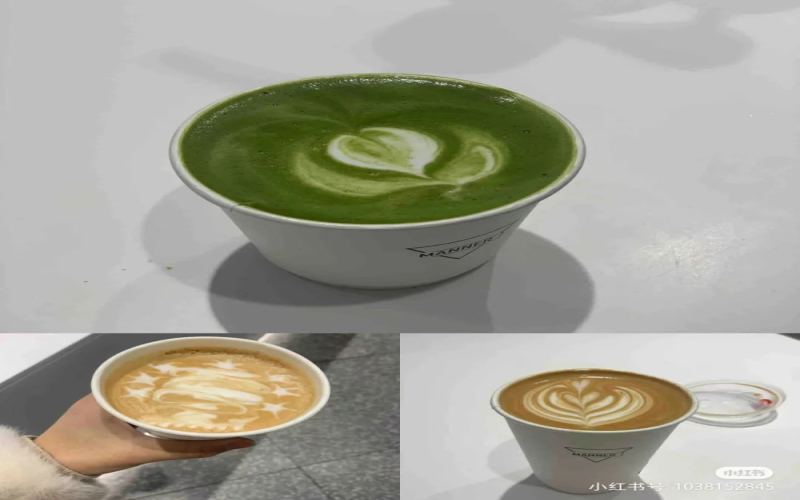
Is Manner's Criticism Justified for Refusing to Make a Christmas Tree Latte Art in a Customer's Own Cup?
During the Christmas season, the Christmas tree latte art introduced by Manner Coffee became a reason for many consumers to check in. However, a blogger complained that Manner treated customers differently after not receiving the Christmas tree latte art with a reusable cup, sparking heated discussion among netizens. Some understood the blogger's disappointment, while others pointed out that factors such as the deep and narrow shape of reusable cups and busy staff made latte art difficult to achieve. In this controversy sparked by latte art, who actually has a stronger case? What does latte art really mean for a cup of coffee? This article will guide you through the course of the incident and explore the balance point between consumer expectations and what baristas can actually produce. [more…]
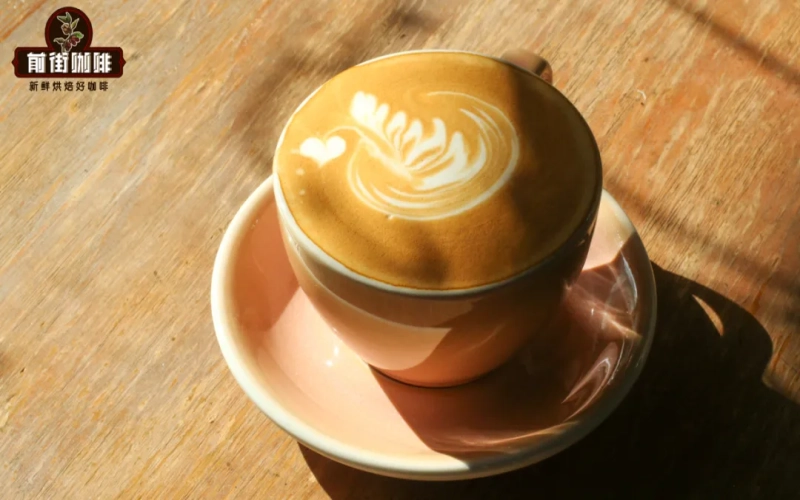
What exactly is a latte? A complete interpretation from the Italian word Latte to fancy coffee
The term "latte" often confuses people: is it actually coffee? Why can matcha lattes and red velvet lattes contain no coffee at all? In fact, latte is a transliteration of the Italian word Latte, which literally means milk, while Caffè latte refers to milk coffee. This article starts from etymology, historical evolution, and coffee shop naming conventions to trace the birth and rise in popularity of latte coffee from Italy to California in the United States, and explains why coffee-free lattes are still named "latte." Front Street Coffee will also share related knowledge and product information in this article. [more…]
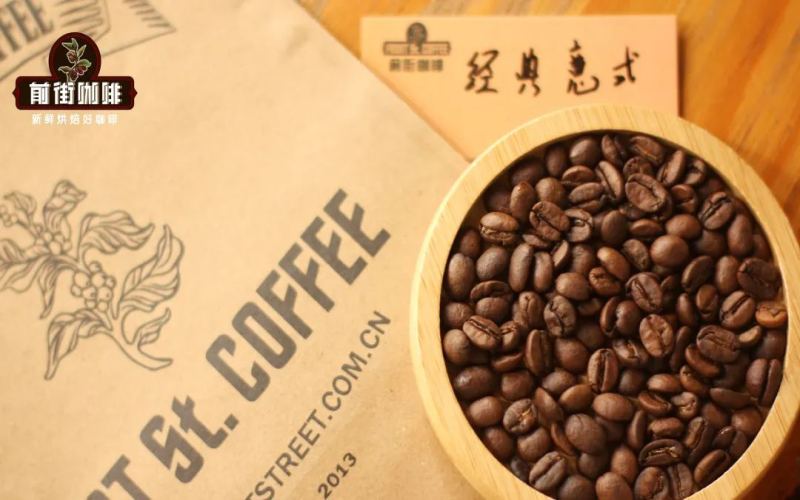
Types of Milk Coffee | What Is Piccolo Coffee? How Does Piccolo Differ from Latte and Flat White?
When it comes to hot milk coffee, the ones everyone has probably been drinking all along are latte and cappuccino, while in recent years the more popular one is Flat White, that is, Australian-style white coffee. Flat White is different from latte—it originated in the Oceania region. But did you know? Actually, besides Flat Whi [more…]
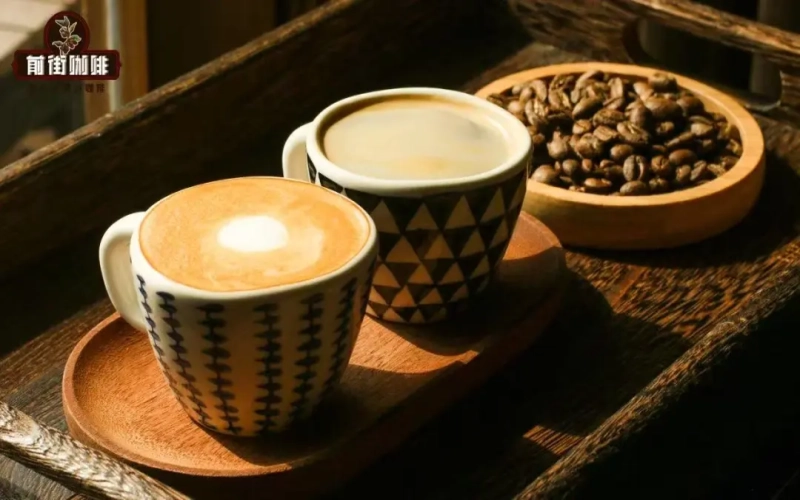
Why is Piccolo Coffee also called a small latte? What exactly is the difference between it and a latte in the use of milk and espresso?
What exactly are the differences between Piccolo coffee and latte? Why is Piccolo Latte called a small latte? This article systematically sorts out the relationship between Piccolo coffee and regular latte from the perspectives of name origin, historical background, cup size, and espresso usage. The article will also explain why Piccolo coffee is rarely served on its own in domestic coffee shops, and if you want to make a delicious Piccolo at home or in a shop, how to extract espresso and how to divide a double shot. Finally, Front Street Coffee will combine its own classic espresso blend beans to share the specific preparation parameters and flavor performance of Piccolo coffee, helping coffee enthusiasts understand this "small latte" more clearly. [more…]
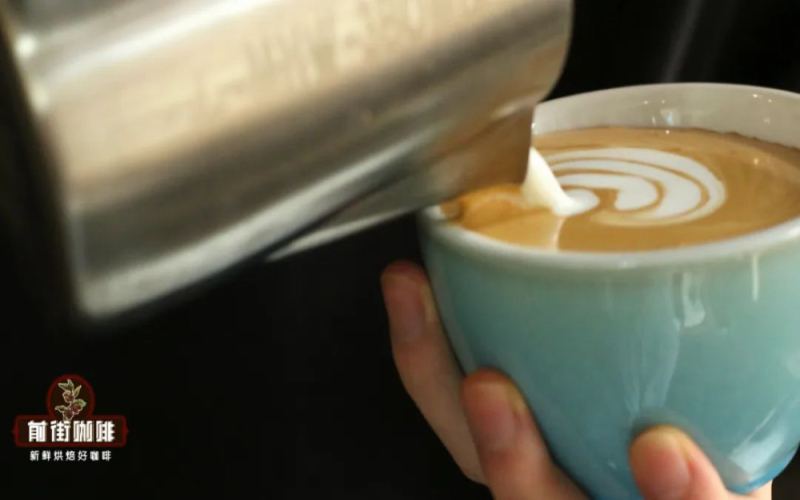
How much does latte art affect the flavor of a latte? Front Street's hands-on comparison and a barista's perspective
Many coffee enthusiasts are curious: does latte art actually change the taste of a latte? Does a beautiful pattern equal a delicious drink? To find out, Front Street Coffee designed a comparative experiment, using the same batch of espresso and milk foam to make milk coffees with and without latte art, and organized a blind tasting. The results showed that the overall performance of the two cups was very similar, with only a slight difference on the first sip. This article will analyze in detail how much latte art truly affects the taste, from the experimental process, the principles of how crema and milk foam merge, and the barista's perspective, and share the key aspects that truly need attention for a good latte. [more…]
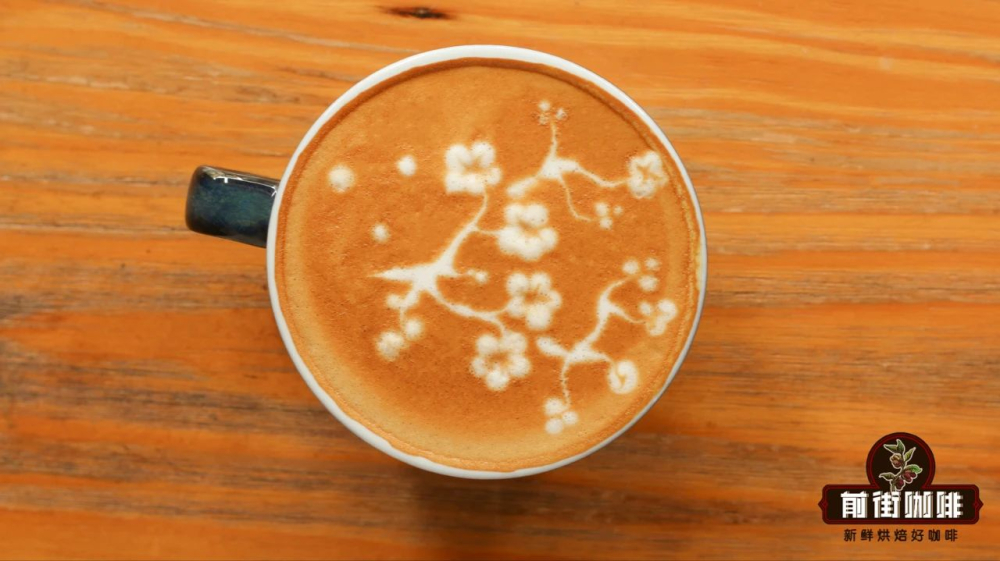
What is Piccolo Coffee? How Does It Differ from Latte and Flat White? Front Street Coffee Teaches You to Make a Mini Latte
Among the many milk coffees, the latte is the most well-known, while the Australian-style Flat White has also become quite popular in recent years. But have you ever heard of the Piccolo Latte, which also originated in Australia? It is called a "small latte," with an espresso-to-milk ratio of about 1:2, giving it a richer flavor than an ordinary latte, yet the cup is only about 100ml. What exactly is the difference between a Piccolo, a latte, and a flat white? Why does it better highlight the flavor of the coffee beans themselves? Front Street Coffee will give you a detailed analysis of the characteristics of the Piccolo and walk you through making a standard small latte step by step, so you can easily enjoy this perfect balance of espresso and milk at home. [more…]
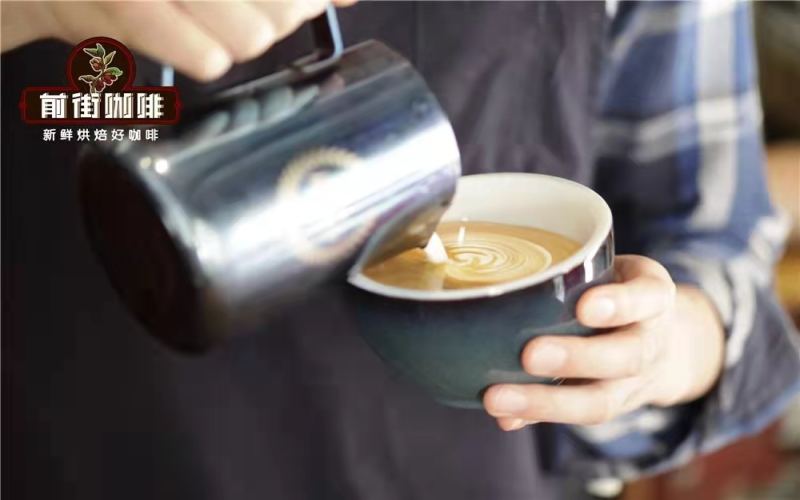
Latte Art Illustrated Guide | How Can Coffee Beginners Learn Latte Art? What Should Be Noted in Latte Art? Instructional Guide on Swan, Tulip, and Rosetta Latte Art
Latte art mainly takes three forms: free pouring, etching, and stenciling. Stenciling uses a stencil to dust cocoa powder, chocolate powder, or cinnamon powder onto the coffee to create a pattern. Free pouring and etching are together known as Latte Art: the former involves pouring steamed [more…]
What is the difference between a flat white and a latte? A comprehensive analysis of cup size, flavor, milk foam, and drinking method
In the combination of coffee and milk, latte and Flat White often make it difficult for people to tell them apart. Although both originate from a mixture of espresso and milk, there are obvious differences in cup size, flavor intensity, milk foam thickness, and drinking method. Front Street Coffee believes that a Flat White can be understood as the Australian version of a latte, while a latte is more like a cup of milk with coffee flavor, whereas a Flat White is a cup of coffee with milk flavor. This article will sort out the specific differences between these two classic milk coffees one by one from aspects such as cup size, taste, latte art, and hot or iced choices, and give suggestions on how to drink Flat White to make it taste better. [more…]
The Origins of Piccolo Coffee | What Is Piccolo Coffee? How Does Piccolo Differ from Latte and Flat White? How to Make a Piccolo Latte at Home?
When it comes to milk coffee, one that everyone may have been drinking all along is the latte, while a more popular one in recent years is the flat white, also known as Australian-style white coffee. The flat white is different from the latte; it originated in the Oceania region. In fact, besides the flat white, there is another [more…]
What's the Difference Between a Latte and a Cappuccino? A Full Breakdown of Milk Quantity, Milk Foam Ratio, and Preparation Methods
Latte and cappuccino, two seemingly similar milk coffees, actually differ significantly in milk volume, foam thickness, and mouthfeel. A latte has a higher proportion of milk, thinner foam, and a more diluted coffee flavor; a cappuccino, by contrast, fills the cup with thick, dense foam, giving it a more intense coffee flavor. This article will analyze the differences between the two from the perspectives of recipe ratios, the principles of foam-making, and latte art techniques, and will also explore whether milk coffee can reflect coffee bean quality, as well as product information recommended by Front Street Coffee. Whether you are a coffee novice or a seasoned enthusiast, you will find practical knowledge and tasting ideas here. [more…]
Espresso Coffee Latte Caffè latte | Is a latte coffee? Latte coffee flavor, taste, origin, history, preparation method and ratio introduction
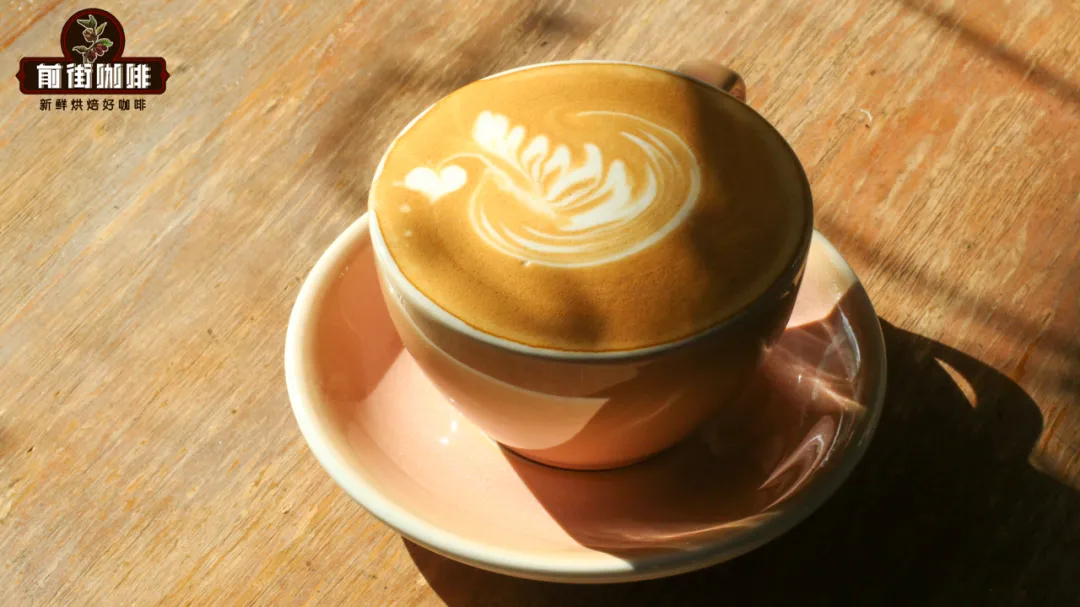
For more specialty coffee knowledge, please follow: Front Street Coffee (Frontsteet Coffee) "Latte" is a transliteration of the Italian word "Latte". In Italy, "Latte" simply means hot milk, while latte coffee is called "CoffeeLatte", and is a type of fancy coffee. [more…]
Latte Art | What is latte art? How do beginners make latte art? What are the techniques for making a tulip pattern?
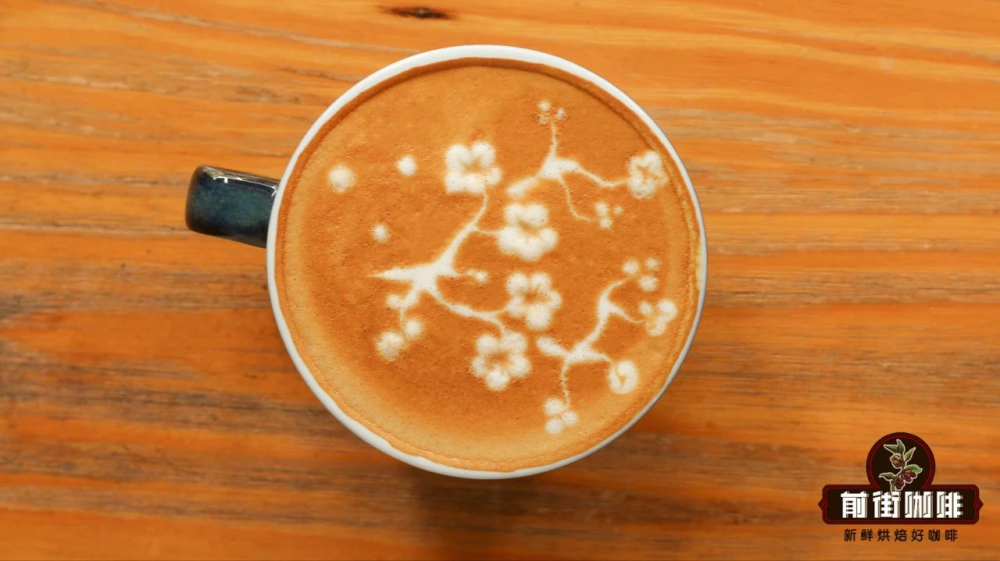
Latte art mainly includes three forms: free pouring, etching, and stenciling. Stenciling uses a stencil to sprinkle cocoa powder, chocolate powder, or cinnamon powder onto the coffee to create a pattern. Free pouring and etching are collectively known as Latte Art; the former involves pouring hot [more…]
Beginner's Guide to Latte Art for Espresso: Detailed Explanation of Milk Frothing Techniques, Wrist Flow Control Methods, and Pattern Formation Steps
Latte art is a highly visually appealing skill in espresso coffee. From cappuccino to latte, the patterns created by the delicate milk foam blending with espresso always catch the eye. For beginners new to espresso, latte art is not just a visual presentation; it also tests a comprehensive grasp of milk foam texture, timing of integration, and wrist control. This article will systematically organize the origin and development of latte art, explain in detail the key steps of milk frothing and latte art operation, and provide practical advice for common mistakes made by beginners, helping you understand and practice this professional skill from scratch and gradually make a cup of latte art coffee that excels in color, aroma, and taste. [more…]
How many milliliters should a hot latte contain? A professional interpretation of 10-ounce capacity and milk ratio
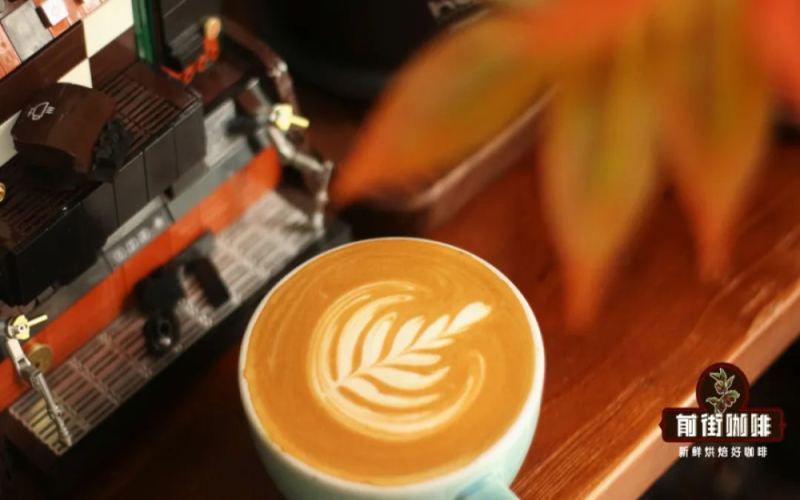
Latte is the most common espresso milk coffee in cafés, but the cup size and milk ratio can vary wildly from one shop to another. Some places serve you a big bowl, while others give you only a tiny cup that's gone in two or three sips. Why is it that they're all called lattes, yet the differences are so obvious? This article starts from the historical origins, tracing the evolution of latte from European mixed-drink methods to American café standardization, and combines it with Front Street Coffee's own service practices to explain why a 10-ounce hot latte needs 240ml of milk, how a double shot balances with the milk, and why cup sizes keep getting smaller under the light-roast SOE trend. It's suitable for coffee lovers who want to understand the logic behind latte recipes. [more…]
Is latte coffee actually coffee? A comprehensive interpretation from Italian etymology to decaf latte oolong.
Walk into a coffee shop and order a latte—does what's served up always contain coffee? Why is there often no trace of coffee in matcha lattes or red velvet lattes? To answer these questions, we need to start with the Italian word "Latte" itself. Latte originally meant hot milk, while caffè latte is the classic blend of espresso and milk. As caffè latte swept the globe, "latte" gradually became shorthand for milk coffee by default, and so a batch of coffee-free drinks also came to use the name. This article will trace the evolution of latte from Italy to the United States, explain the two practical reasons behind the naming of coffee-free lattes, and remind everyone to take a closer look at the menu categories before ordering, so as to avoid getting something you didn't want. [more…]
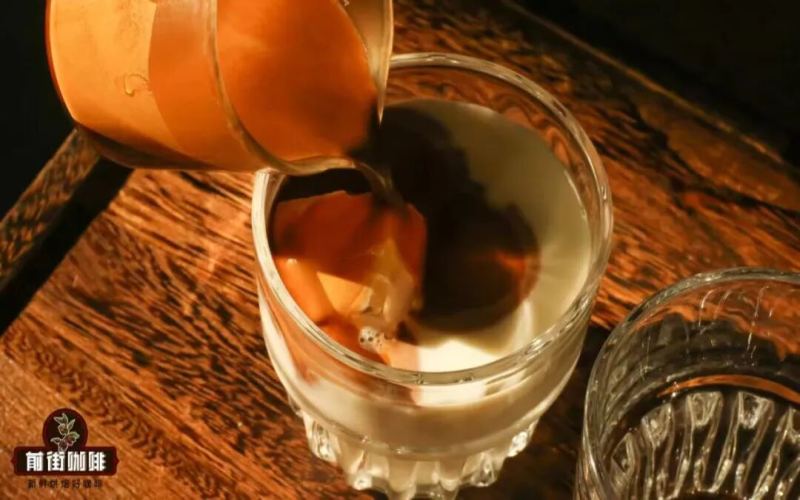
Espresso Milk Coffee | What Is a Dirty Coffee and How Does It Differ from an Iced Latte? What Are the Differences in How You Drink a Dirty and an Iced Latte?
Since the ingredients used to make a Dirty and an iced latte are exactly the same—both are iced milk plus espresso—and they look much the same, both featuring a layered structure created by the milk and the espresso, Front Street Coffee often gets asked by customers drinking iced lattes: "Both are iced milk plus espresso, so what's the difference between a Dirty and [more…]
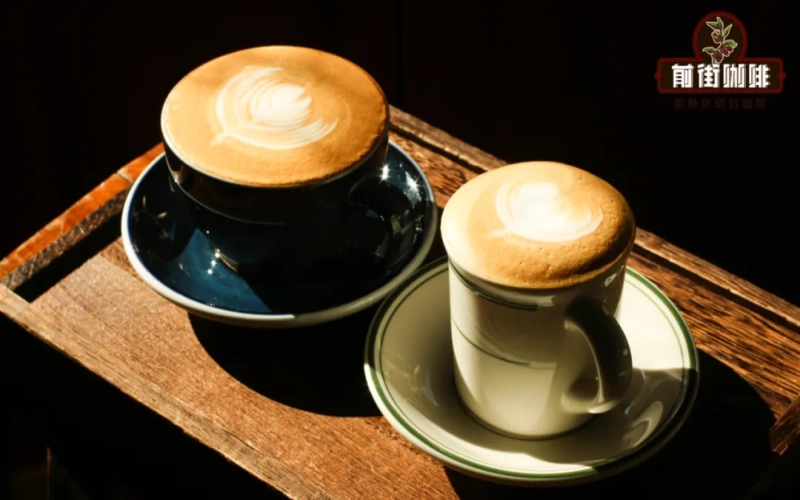
Latte vs. Cappuccino Milk Frothing Differences Explained: A Complete Guide from Foam Thickness to Latte Art Techniques
Latte and cappuccino are both classic representatives of Italian coffee. They share the same ingredients yet present completely different flavors and textures. Many friends who are just getting into coffee often can't tell them apart, and some even order based on how pretty the latte art looks or how fancy the name sounds. This article will systematically sort out the core differences between these two milk coffees from the perspectives of taste, cup size, milk foam thickness, and latte art performance, and share Front Street's experience with serving ratios and espresso blend selection, helping you make your ideal latte or cappuccino at home. [more…]
The Origin and Meaning of the Latte Name Explained: Espresso with Milk, or a Misnomer for Plain Milk?
What exactly does the term latte refer to? In Italy, Latte is simply hot milk, so why is it that elsewhere, a latte has become an espresso drink with a large amount of milk added? Matcha lattes and red velvet lattes contain no coffee, so why are they also called lattes? This article will trace the origins and evolution of latte coffee from the beginning, clarify the difference between Latte and Caffè latte, and share the key elements for making a good latte—milk selection, espresso ratio, crema, and freshness—while also introducing Front Street Coffee's practical experience with blend beans and shipping freshness. [more…]
Analysis of the Standard Latte Preparation Method and Flavor Characteristics: Differences Between Cappuccino and Latte in Ratios, Cup Size, and Milk Foam
Latte and cappuccino are the two most widely known milk coffees in the Italian coffee system, but they differ clearly in ratio, cup type, milk frothing method, and final mouthfeel. A latte, with its classic ratio of 70% milk, 20% milk foam, and 10% coffee, presents a smooth and rich milky aroma, while a cappuccino follows a 1:1:1 structure of espresso, milk, and milk foam, giving it a thicker and denser mouthfeel. This article will go through the core characteristics of the two coffees item by item, from origin, ingredient ratios, and cup selection to milk foam handling techniques and drinking experience, helping coffee lovers more accurately grasp their respective flavor directions when making and tasting them. [more…]
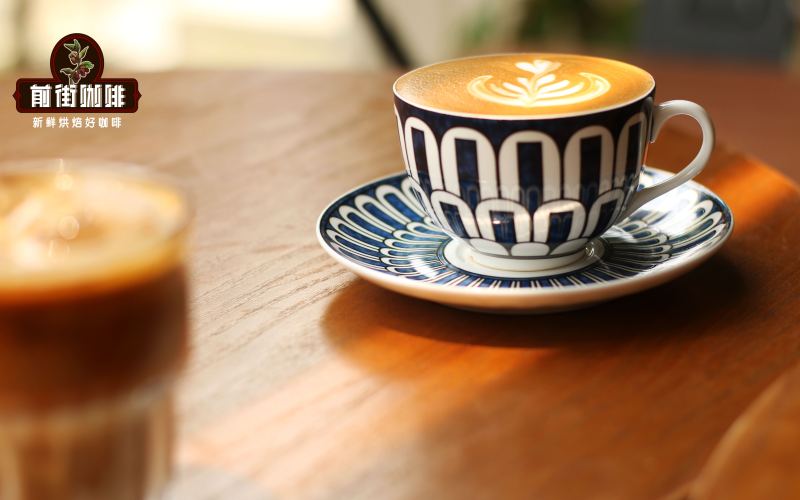
Homemade Latte Recipe | What Is the Origin of Latte Coffee? What Are the Differences in Taste and Mouthfeel Between Hot Latte, Iced Latte, and Dirty Coffee?
Latte is a transliteration of the Italian word Latte. Latte coffee refers to coffee made by mixing a certain proportion of milk into espresso, and is a type of fancy coffee. The original latte coffee originated in Vienna, the city of music. Viennese people began drinking coffee in the 17th century, when the Turkish army attacked [more…]